Buy xshare.eu ?
We are moving the project
xshare.eu .
Are you interested in purchasing the domain
xshare.eu ?
domain@kv-gmbh.de · 0541-91531010
Buy xshare.eu ?
What is mRNA in food?
mRNA in food refers to the presence of messenger RNA molecules that are naturally occurring in the cells of plants and animals that we consume as food. mRNA is a type of RNA that carries genetic information from the DNA in a cell's nucleus to the ribosomes, where it is used to produce proteins. In the context of food, mRNA is not a cause for concern as it is a normal component of the cells in the food we eat and is broken down during digestion without any known harmful effects. **
Is the mRNA vaccine safe?
Yes, the mRNA vaccines have been shown to be safe and effective in clinical trials and real-world use. The vaccines have undergone rigorous testing and have been authorized for emergency use by regulatory agencies such as the FDA and the European Medicines Agency. Millions of people have received the mRNA vaccines with only rare and mostly mild side effects reported. The benefits of vaccination in preventing severe illness and death from COVID-19 far outweigh the potential risks. **


Similar search terms for Mrna
Top-Angebote
Products related to Mrna:
-
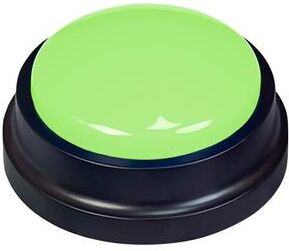
Uplift Essentials Vocal Link Interactive Pet Communication Buttons green"Break the language barrier between you and your pet with the VocalLink Dog Communication Buttons. This innovative pet training buzzer system allows your dog or cat to ""speak"" their needs by pressing a button that plays your prerecorded voice...."34,97 $*Shipping: 0,00 $Secure redirect to the provider
-
Stealth Gaming Headset Stand - Black - USB Connectivity - RGB LightingSleek curved black frame supports a wide range of headsets with weighted non-slip base. Customizable RGB lighting with 12 effects, USB powered with two ports. Suitable for PlayStation Xbox Nintendo Switch PC and mobile devices. No assembly required.17,83 £*Shipping: 3,95 £Secure redirect to the provider
-
Pavilion Sharing with the Dog Silicone Snack BowlMake snack time more fun with this pet-inspired silicone snack bowl featuring a playful dog illustration and humorous sentiment. Durable, portable, and designed with a secure lid, it's perfect for enjoying snacks at home, work, school, or on the go21,89 $*Shipping: 0,00 $Secure redirect to the provider
-
Pfaltzgraff Winterberry 12In Family and Friends Sharing PlateCelebrate all through the season with a Winterberry 'Family and Friends Plate of Sharing' plate Serveware is ideal for entertaining and serving Platter has a creamy background with delicately rendered holly branches31,49 $*Shipping: 0,00 $Secure redirect to the provider



-
How does mRNA maturation occur?
mRNA maturation occurs through a process called RNA processing. This process involves several steps, including capping, splicing, and polyadenylation. First, a 5' cap is added to the beginning of the mRNA molecule to protect it and help it bind to the ribosome. Then, introns (non-coding regions) are removed through a process called splicing, and the remaining exons (coding regions) are joined together. Finally, a poly-A tail is added to the end of the mRNA molecule to help stabilize it and regulate its translation. These steps ensure that the mRNA molecule is properly processed and ready for translation into protein. **
-
Is mRNA the same as RNA?
mRNA (messenger RNA) is a type of RNA (ribonucleic acid). RNA is a broad category that includes several types of molecules involved in various cellular processes, including mRNA, tRNA (transfer RNA), and rRNA (ribosomal RNA). mRNA specifically carries the genetic information from the DNA in the cell's nucleus to the ribosomes, where it is used as a template for protein synthesis. Therefore, while mRNA is a type of RNA, not all RNA molecules are mRNA. **
-
How long is the lifespan of mRNA?
The lifespan of mRNA can vary depending on the specific mRNA molecule and the cellular conditions. In general, the average lifespan of mRNA in a eukaryotic cell is around 10 hours, but some mRNA molecules can be very short-lived, lasting only a few minutes, while others can be more stable and persist for several days. The stability of mRNA is influenced by factors such as the presence of specific sequences in the mRNA molecule, the activity of RNA-binding proteins, and the cellular environment. **
-
How can DNA be translated into mRNA?
DNA is transcribed into mRNA through a process called transcription. During transcription, the DNA double helix unwinds and an enzyme called RNA polymerase binds to a specific region of the DNA called the promoter. The RNA polymerase then reads the DNA sequence and synthesizes a complementary mRNA strand by adding nucleotides one by one. This process continues until the RNA polymerase reaches a termination signal, at which point the newly synthesized mRNA is released. This mRNA molecule can then be translated into a protein by the ribosomes. **


How can one transcribe DNA into mRNA?
Transcribing DNA into mRNA involves the process of transcription, which takes place in the nucleus of a cell. During transcription, the enzyme RNA polymerase binds to a specific region of the DNA called the promoter and unwinds the DNA double helix. It then uses one strand of the DNA as a template to synthesize a complementary mRNA strand by adding nucleotides according to the base-pairing rules (A with U, T with A, C with G, and G with C). Once the mRNA strand is synthesized, it is processed and then transported out of the nucleus into the cytoplasm for translation into a protein. **
How does the maturation of mRNA occur?
The maturation of mRNA involves several steps. First, the pre-mRNA is processed by removing the non-coding regions, called introns, and joining the coding regions, called exons, through a process called splicing. Then, a 5' cap and a 3' poly-A tail are added to the mRNA to protect it from degradation and facilitate its export from the nucleus. Finally, the mature mRNA is ready to be translated into a protein by the ribosomes in the cytoplasm. This process ensures that only the necessary coding information is present in the mature mRNA for protein synthesis. **
Top-Angebote
Products related to Mrna:
-
All Categories Goods Outdoor Library Box Wooden Book Exchange Cabinet For Neighborhood Sharing Outdoor Library Box Wooden Book Exchange Cabinet For Neighborhood SharingCreate a welcoming place where stories can be shared, discovered, and loved again. This outdoor library box is a charming wooden cabinet made for neighborhoods, schools, parks, gardens, and front yards. Designed as a book exchange box, it gives...199,97 $*Shipping: 0,00 $Secure redirect to the provider
-
TP-LINK UE300C USB-C to Ethernet Adapter – Gigabit Connectivity for Ultrabooks & TabletsOverview: The TP-Link UE300C is a compact and efficient USB-C to Gigabit Ethernet adapter, designed to provide high-speed wired internet access to devices lacking an Ethernet port. Ideal for ultrabooks, Chromebooks, and tablets, it ensures stable and fast network connections. Product Description: This lightweight adapter features a USB 3.0 Type-C connector and an RJ45 Gigabit Ethernet port, supporting data transfer speeds up to 1000Mbps. Its plug-and-play functionality ensures easy setup without the need for additional drivers on most operating systems, including Windows 10/8.1/8/7, macOS 10.9 and later, Chrome OS, and Linux. The foldable design enhances portability, making it an excellent companion for on-the-go professionals. Key Features: High-Speed Connectivity: Supports Gigabit Ethernet speeds up to 1000Mbps for seamless streaming, gaming, and large file transfers. Plug-and-Play: No additional drivers required for most operating systems; compatible with Windows, macOS, Chrome OS, and Linux. Compact Design: Slim and foldable, perfect for travel and easy storage. Universal Compatibility: Works with a wide range of USB-C devices, including ultrabooks, tablets, and smartphones. Durable Build: Designed for reliable performance and longevity.9,99 £*Shipping: 0,00 £Secure redirect to the provider
-
Uplift Essentials Vocal Link Interactive Pet Communication Buttons green"Break the language barrier between you and your pet with the VocalLink Dog Communication Buttons. This innovative pet training buzzer system allows your dog or cat to ""speak"" their needs by pressing a button that plays your prerecorded voice...."34,97 $*Shipping: 0,00 $Secure redirect to the provider
-
Stealth Gaming Headset Stand - Black - USB Connectivity - RGB LightingSleek curved black frame supports a wide range of headsets with weighted non-slip base. Customizable RGB lighting with 12 effects, USB powered with two ports. Suitable for PlayStation Xbox Nintendo Switch PC and mobile devices. No assembly required.17,83 £*Shipping: 3,95 £Secure redirect to the provider
-
What is mRNA in food?
mRNA in food refers to the presence of messenger RNA molecules that are naturally occurring in the cells of plants and animals that we consume as food. mRNA is a type of RNA that carries genetic information from the DNA in a cell's nucleus to the ribosomes, where it is used to produce proteins. In the context of food, mRNA is not a cause for concern as it is a normal component of the cells in the food we eat and is broken down during digestion without any known harmful effects. **
-
Is the mRNA vaccine safe?
Yes, the mRNA vaccines have been shown to be safe and effective in clinical trials and real-world use. The vaccines have undergone rigorous testing and have been authorized for emergency use by regulatory agencies such as the FDA and the European Medicines Agency. Millions of people have received the mRNA vaccines with only rare and mostly mild side effects reported. The benefits of vaccination in preventing severe illness and death from COVID-19 far outweigh the potential risks. **
-
How does mRNA maturation occur?
mRNA maturation occurs through a process called RNA processing. This process involves several steps, including capping, splicing, and polyadenylation. First, a 5' cap is added to the beginning of the mRNA molecule to protect it and help it bind to the ribosome. Then, introns (non-coding regions) are removed through a process called splicing, and the remaining exons (coding regions) are joined together. Finally, a poly-A tail is added to the end of the mRNA molecule to help stabilize it and regulate its translation. These steps ensure that the mRNA molecule is properly processed and ready for translation into protein. **
-
Is mRNA the same as RNA?
mRNA (messenger RNA) is a type of RNA (ribonucleic acid). RNA is a broad category that includes several types of molecules involved in various cellular processes, including mRNA, tRNA (transfer RNA), and rRNA (ribosomal RNA). mRNA specifically carries the genetic information from the DNA in the cell's nucleus to the ribosomes, where it is used as a template for protein synthesis. Therefore, while mRNA is a type of RNA, not all RNA molecules are mRNA. **
Similar search terms for Mrna
-
Pavilion Sharing with the Dog Silicone Snack BowlMake snack time more fun with this pet-inspired silicone snack bowl featuring a playful dog illustration and humorous sentiment. Durable, portable, and designed with a secure lid, it's perfect for enjoying snacks at home, work, school, or on the go21,89 $*Shipping: 0,00 $Secure redirect to the provider
-
Pfaltzgraff Winterberry 12In Family and Friends Sharing PlateCelebrate all through the season with a Winterberry 'Family and Friends Plate of Sharing' plate Serveware is ideal for entertaining and serving Platter has a creamy background with delicately rendered holly branches31,49 $*Shipping: 0,00 $Secure redirect to the provider
-
Enesco/Dept 56 Sharing the Load Clothtique Red , RedSanta doesn't seem to mind Sharing the Load with a little helper. Dressed in a red and white suit, Santa carries a green bag with gold leafy scroll designs and a list over his shoulder and holds a present in the other hand. The bag has presents,...99,00 $*Shipping: 18,95 $Secure redirect to the provider
-
Uplift Essentials Vocal Link Interactive Pet Communication Buttons purple"Break the language barrier between you and your pet with the VocalLink Dog Communication Buttons. This innovative pet training buzzer system allows your dog or cat to ""speak"" their needs by pressing a button that plays your prerecorded voice...."34,97 $*Shipping: 0,00 $Secure redirect to the provider
-
How long is the lifespan of mRNA?
The lifespan of mRNA can vary depending on the specific mRNA molecule and the cellular conditions. In general, the average lifespan of mRNA in a eukaryotic cell is around 10 hours, but some mRNA molecules can be very short-lived, lasting only a few minutes, while others can be more stable and persist for several days. The stability of mRNA is influenced by factors such as the presence of specific sequences in the mRNA molecule, the activity of RNA-binding proteins, and the cellular environment. **
-
How can DNA be translated into mRNA?
DNA is transcribed into mRNA through a process called transcription. During transcription, the DNA double helix unwinds and an enzyme called RNA polymerase binds to a specific region of the DNA called the promoter. The RNA polymerase then reads the DNA sequence and synthesizes a complementary mRNA strand by adding nucleotides one by one. This process continues until the RNA polymerase reaches a termination signal, at which point the newly synthesized mRNA is released. This mRNA molecule can then be translated into a protein by the ribosomes. **
-
How can one transcribe DNA into mRNA?
Transcribing DNA into mRNA involves the process of transcription, which takes place in the nucleus of a cell. During transcription, the enzyme RNA polymerase binds to a specific region of the DNA called the promoter and unwinds the DNA double helix. It then uses one strand of the DNA as a template to synthesize a complementary mRNA strand by adding nucleotides according to the base-pairing rules (A with U, T with A, C with G, and G with C). Once the mRNA strand is synthesized, it is processed and then transported out of the nucleus into the cytoplasm for translation into a protein. **
-
How does the maturation of mRNA occur?
The maturation of mRNA involves several steps. First, the pre-mRNA is processed by removing the non-coding regions, called introns, and joining the coding regions, called exons, through a process called splicing. Then, a 5' cap and a 3' poly-A tail are added to the mRNA to protect it from degradation and facilitate its export from the nucleus. Finally, the mature mRNA is ready to be translated into a protein by the ribosomes in the cytoplasm. This process ensures that only the necessary coding information is present in the mature mRNA for protein synthesis. **
* All prices are inclusive of VAT and, if applicable, plus shipping costs. The offer information is based on the details provided by the respective shop and is updated through automated processes. Real-time updates do not occur, so deviations can occur in individual cases. ** Note: Parts of this content were created by AI.